
Natural Graphite: The Industrial Powerhouse
When we talk about natural graphite, we aren’t just talking about a mineral; we’re talking about one of the most chemically stable and physically versatile materials on the planet. While often overshadowed by synthetic alternatives, natural graphite remains the superior choice for high-volume, cost-effective industrial performance.
From its role as a world-class dry lubricant to its essential position in the green energy supply chain, natural graphite is the “silent partner” in modern manufacturing.
Why the Industry Relies on Natural Graphite
Natural graphite is formed over millions of years under extreme geological pressure. This slow-cooked process results in a high degree of macro-crystallinity—something a lab-controlled synthetic process often struggles to replicate at scale.
- Superior Lubricity: The hexagonal lattice structure allows carbon sheets to slide over one another with almost zero friction.
- Thermal Resilience: It remains structurally sound at temperatures exceeding 3,000°C in oxygen-free environments.
- Chemical Inertness: Resistant to most acids, alkalis, and corrosive gases.
- Sustainable Footprint: Mined and processed with a significantly lower carbon footprint than synthetic alternatives.
Where It Works: Industrial Applications
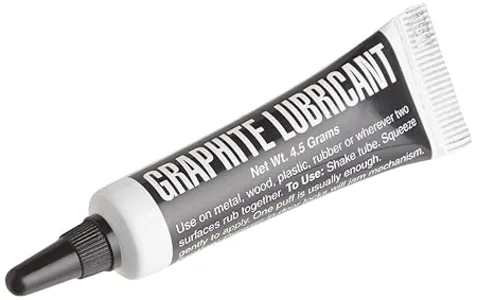
Advanced Lubrication & Friction Products
Graphite is the go-to for parts that face constant movement under extreme stress.
Conveyor Systems: Keeps high-temperature kiln or oven chains moving smoothly without the risk of grease combustion.
Dry Film Lubricants: Ideal for heavy machinery where oil would attract abrasive dust or dirt.
Brake Linings: Provides the necessary friction modulation and heat dissipation in automotive brake pads.
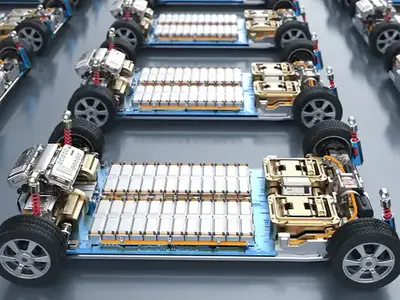
Energy Storage & EV Batteries
The green energy revolution literally runs on graphite.
Fuel Cells: Graphite plates are used to manage the electrochemical reactions in hydrogen fuel cells.
Anode Production: Natural graphite is the primary material in the anodes of lithium-ion batteries.
Conductivity: Its unique structure allows for efficient electron flow, essential for fast-charging technology.
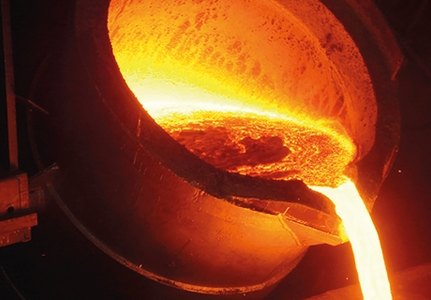
Foundries & Refractories
Because it laughs at heat, graphite is vital for handling molten metals.
Continuous Casting: Graphite dies allow for the smooth, continuous shaping of molten metal into rods or tubes.
Crucibles: Graphite-clay crucibles are used to melt and pour non-ferrous metals like gold, silver, and brass.
Molding Sands: Used as a “facing” material to ensure that metal castings come out with a smooth finish and don’t stick to the mold.

Seals, Gaskets & Foils
When a leak could be catastrophic, industries turn to graphite.
Nuclear Power: Used in specialized seals due to its ability to handle radiation and high heat simultaneously.
High-Pressure Seals: Used in pumps and valves within the oil and gas sector where synthetic seals would degrade.
Flexible Graphite Foil: Compressed into gaskets that can withstand extreme chemical exposure and fluctuating temperatures.
Choosing the Right Grade
The performance of natural graphite is dictated by two factors: Carbon Content and Mesh Size.
| Mesh Size | Carbon Content (%) | Typical Applications |
|---|---|---|
| +20 | 94 – 97 | Refractory materials, foundry facings |
| +50 | 95 – 98 | Lubricants, pencil leads |
| +80 | 96 – 99 | Batteries, conductive coatings |
| +100 | 97 – 99.5 | Brake linings, gaskets |
| +200 | 98 – 99.9 | High-purity applications, nuclear reactors |
| +325 | 99 – 99.9+ | Fuel cell components, advanced electronics |
Note: This matrix provides a general overview. Actual carbon content can vary depending on the source and processing of the graphite flakes. Mesh size refers to the number of openings per linear inch in a testing sieve.