
In the world of mineral processing, there’s a workhorse technology that’s both surprisingly simple and incredibly clever. It takes raw, muddy graphite straight out of the ground and turns it into the high-purity material we need for everything from EV batteries to lubricants. The hero of this story? Billions of tiny air bubbles.
From Rocky Mess to Carbon Treasure
Graphite’s journey starts deep underground. Formed over millions of years under intense heat and pressure, it doesn’t come out of the earth as a pure, ready-to-use substance. What you actually mine is an ore—a jumbled mess of pure carbon flakes stuck together with sand, rock, and other unwanted minerals called gangue.
Think of raw graphite ore as a dirty, layered cake. You have the valuable carbon layers, but they’re smeared with gritty, useless filler. Early attempts to clean it up were pretty blunt instruments. They involved crushing and hoping for the best, which often just shattered the delicate graphite flakes or left the impurities stubbornly attached. It was a messy business.
Flotation: It’s All About Chemistry
Flotation changed the game. Instead of fighting the material, it works with its basic properties. At its heart, it’s a clever trick to make one thing float and another thing sink.
Here’s how the process actually works:
First, the ore is crushed and mixed with water to create a slurry. Then, the chemical engineers step in and add a few key ingredients.
The Key Ingredients: Collectors and Frothers
- Collectors: These are organic compounds that act like a chemical glue. Their molecules have two ends: one that’s naturally attracted to the graphite surface and another that repels water. They selectively coat the graphite particles, making their surfaces waterproof, or “hydrophobic.”
- Frothers: These are soaps that do two things. They help create a stable froth when air is pumped in, and they modify the bubbles so they’re the right size to carry the graphite.
The Bubble Elevator in Action
Now for the main event. The slurry is pumped into a big tank (the flotation cell) and air is forced in from the bottom. As bubbles rise through the mix, the waterproofed graphite particles, seeking any escape from the water, latch onto them. It’s like they’re hitching a ride on a microscopic elevator.
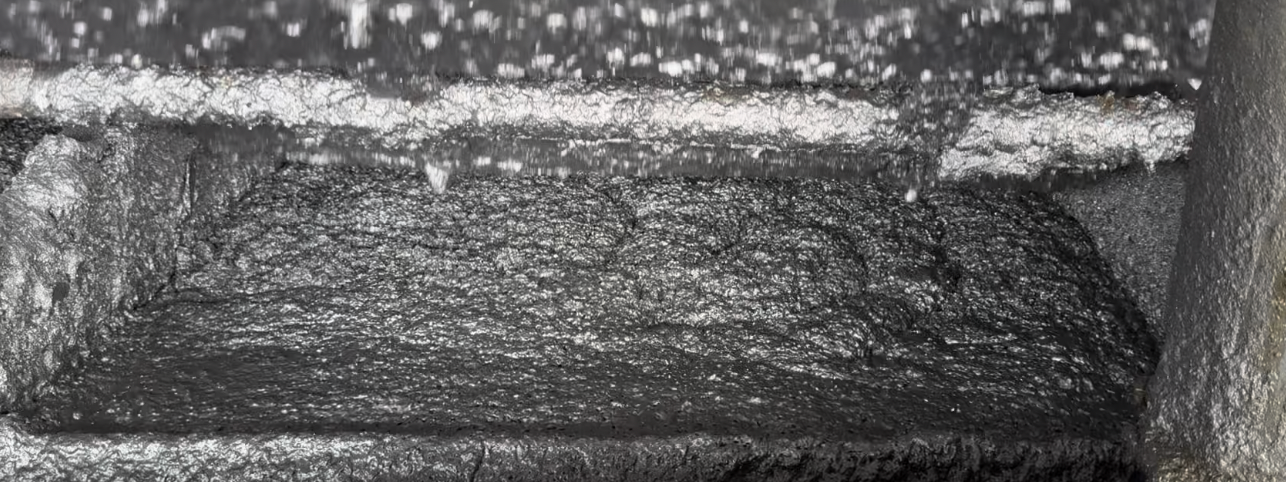
The mineral-laden bubbles rise to the top and form a dark, stable froth, which is then skimmed off. Meanwhile, the unwanted rock and sand—the stuff that didn’t get the waterproof coating—stays wet and sinks to the bottom to be removed as waste.
The Physics of Separation
This separation isn’t random. It’s governed by some very precise physics. The collectors create a specific surface chemistry on the graphite, ensuring that only the right particles have the right “wettability” to stick to the air bubbles. Particle size, bubble size, and chemical dosages are all carefully controlled and adjusted, often on the fly.
Environmental Impact: Cleaner Than You’d Think
For an industrial process, flotation is actually pretty sustainable. The water used in the slurry is typically recycled back into the beginning of the process. While chemical reagents are used, they are in relatively small amounts and are the subject of constant research to make them even more environmentally friendly. The whole idea is to efficiently concentrate the valuable mineral while producing a clean, manageable waste stream.
Why Purity Matters
TGetting graphite this clean is a big deal because high-purity graphite is everywhere. It’s a critical component in:
- The anodes of lithium-ion batteries for your phone and electric car.
- High-temperature lubricants.
- Advanced ceramics and brake linings.
- Even in aerospace components and nuclear reactors.
Not All Graphite is the Same
Different types of graphite—whether it’s the small, powdery “amorphous” type or the valuable large “flakes”—need slightly different chemical recipes and strategies in the flotation cells. It’s not a one-size-fits-all process.
What’s Next for an Old Technology
FlFlotation has been around for over a century, but it’s far from a solved problem. The future of getting clean graphite is pretty exciting. Researchers and companies are working on:
- Smarter Controls: Using machine learning to automatically fine-tune the chemical doses and air flow in real-time for maximum efficiency.
- Better Chemistry: Developing new “nano-engineered” collectors that are even more selective, potentially recovering smaller particles and reducing reagent use.
- Greener Operations: Exploring ways to cut down on energy and water consumption even further.
Companies like Syrah Resources and Northern Graphite are at the forefront, constantly tweaking their processes and investing in R&D to get more pure graphite from less ore.
A Final Thought: The Human Element
Ultimately, flotation is a brilliant example of applied science. By understanding the fundamental properties of a material—how it interacts with water and air on a molecular level—we’ve built a robust, scalable system to extract the pure from the impure. It’s not magic, just some very smart chemistry and engineering working together.
Frequently Asked Questions
1. What does graphite actually look like after flotation? Is it a powder or little rocks?
After flotation, you end up with what’s called a “concentrate.” It looks like a fine, dark gray or black powder with a distinct metallic sheen. If you’ve ever handled graphite lubricant powder or opened up a pencil lead, it has a similar feel, but much more concentrated. It’s still a solid material at this stage, ready to be dried, bagged, and sent off for further processing or purification depending on the final use.
2. Is flotation only used for graphite, or can it clean up other minerals too?
Flotation is actually one of the most widely used processes in the entire mining industry! While we focused on graphite here, it’s the go-to method for recovering copper, lead, zinc, nickel, and even coal. The specific “collector” chemicals change depending on what metal or mineral you’re trying to float, but the core principle of making the valuable mineral waterproof and hitching a ride on bubbles is the same across the board.
3. How pure can graphite get with just flotation?
Flotation is incredibly effective at concentrating graphite, but it’s usually not the final step for the highest purity applications. A good flotation process can take raw ore that might only be 5-10% carbon and produce a concentrate that is 90-95% pure, sometimes even higher. For the “five-nines” pure graphite (99.999%) needed for things like nuclear reactors or high-end EV batteries, the flotation concentrate is often put through additional, more aggressive chemical or thermal processes to strip away any last traces of impurities.
4. How old is this technology? Is it something they came up with recently?
It’s surprisingly old! The first industrial flotation process was patented way back in the early 1900s. It was a revolutionary idea that replaced much less efficient gravity-based separation methods. While the core concept is over a century old, the technology has come a long way. Today’s flotation cells are massive, computer-controlled, and use sophisticated chemical recipes that the original inventors could only dream of. It’s a perfect example of an old idea that’s constantly being refined.
5. Is the waste from flotation just toxic sludge?
Not really, and it’s managed very carefully. The waste, called “tailings,” is mostly just the ground-up rock and sand that was originally in the ore, now mixed with the process water. The chemical reagents used are designed to be effective in small amounts and are often biodegradable or can be neutralized. Mining operations are heavily regulated and must have plans to contain these tailings in engineered dams or ponds, where the solids settle out and the water is recovered and recycled back into the plant. The goal is to manage it safely and minimize environmental impact.